
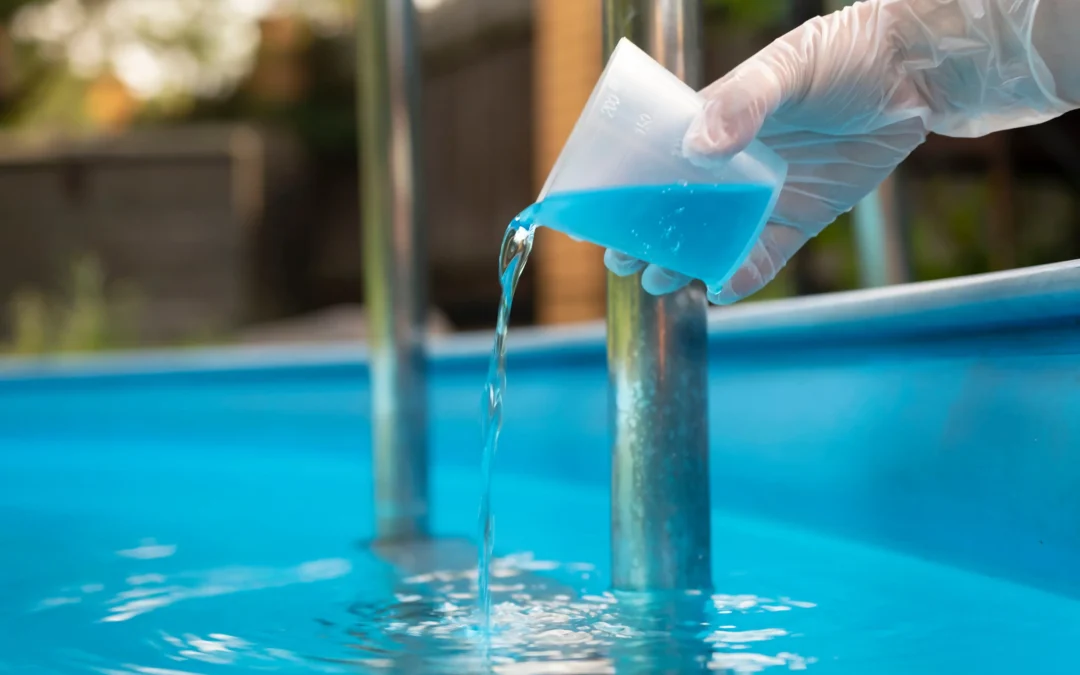
Owning a swimming pool is a great lifestyle feature, especially in Australia’s warm climate. However, many pool owners underestimate the ongoing cost of running a pool. These costs can vary widely depending on the size of your pool, the equipment you use, and how well the system is maintained.
Understanding what goes into pool running costs can help you budget more accurately and identify ways to reduce unnecessary expenses.
What Affects the Cost of Running a Pool?
Several factors influence how much it costs to run a pool, including:
-
Pool size and volume
-
Type and age of equipment
-
Pump run time
-
Heating systems
-
Chemical usage
-
Water replacement
-
Professional servicing
Older or inefficient equipment can significantly increase electricity and chemical costs, while poor maintenance often leads to higher long-term expenses.
Average Pool Running Costs in Australia
Most Australian pool owners can expect to spend between $1,200 and $2,500 per year on pool operation and maintenance. This figure can be higher for larger pools, heated pools, or pools with outdated equipment.
These costs are generally made up of four main areas.
Electricity Costs
Electricity is usually the largest ongoing expense for pool owners. The pool pump alone can account for a significant portion of energy use.
Factors that affect electricity cost include:
-
Single-speed versus variable-speed pumps
-
Daily run time
-
Pool size
-
Filtration efficiency
A single-speed pump can cost $500 to $1,200 per year to run, while a variable-speed pump may cost $150 to $400 per year, depending on usage and energy rates.
Longer run times during summer increase electricity costs, especially if the pump is oversized or inefficient.
Chemical Costs
Chemicals are essential for keeping pool water safe and clear. These typically include:
-
Chlorine or sanitiser
-
pH adjusters
-
Algaecide
-
Clarifiers
Chemical costs usually range from $300 to $700 per year, depending on pool size and how often water balance issues occur.
Poor filtration or incorrect chemical dosing can push these costs higher, as more product is needed to correct water problems.
Water Costs
Water is lost through evaporation, splash-out, backwashing, and leaks.
Topping up the pool regularly contributes to water costs. In most cases, this ranges from $100 to $300 per year. Leaks or excessive backwashing can significantly increase this amount.
Maintenance and Servicing Costs
Professional servicing helps prevent expensive breakdowns and keeps your pool running efficiently. Maintenance costs may include:
-
Regular cleaning services
-
Water testing
-
Filter cleaning or replacement
-
Equipment repairs
Annual servicing costs typically range from $300 to $800, depending on the frequency and condition of the pool.
Pool Heating Costs
Heated pools cost more to run than unheated pools, if not set up correctly. These vary depending on how you heat your pool.
Approximate annual heating costs:
-
Solar heating: low to moderate
-
Heat pump: $300 to $800
-
Gas heating: $800 to $2,500
The actual cost depends on usage, climate, and insulation.
Monthly vs Annual Pool Costs
On average, many pool owners spend:
-
$100 to $200 per month
-
$1,200 to $2,500 per year
Heated or poorly maintained pools can exceed these figures.
How Equipment Choice Impacts Cost
Energy-efficient equipment can dramatically reduce running costs over time. Upgrades that lower costs include:
-
Variable-speed pool pumps
-
High-efficiency filters
-
Automated chemical controllers
-
Pool covers to reduce evaporation
While these upgrades have upfront costs, they often pay for themselves through reduced electricity and chemical use.
How to Reduce Pool Running Costs
You can lower pool expenses by:
-
Running pumps for the correct amount of time
-
Keeping filters clean
-
Maintaining proper water balance
-
Repairing leaks promptly
-
Using energy-efficient equipment
-
Covering the pool when not in use
-
Booking regular professional servicing
Small improvements in efficiency can lead to noticeable long-term savings.
Why Energy-Efficient Pools Cost Less Over Time
Efficient pools use less power, fewer chemicals, and require fewer corrective treatments. They also place less strain on pumps and filters, extending equipment lifespan.
This reduces:
-
Electricity bills
-
Repair costs
-
Water use
-
Chemical consumption
In many cases, investing in better equipment and regular servicing is cheaper than constantly fixing problems caused by inefficiency.
The cost to run a pool in Australia varies, but most owners spend between $1,200 and $2,500 per year. Electricity, chemicals, water, and maintenance all contribute to this total.
The good news is that many of these costs can be reduced with proper care and energy-efficient equipment.
Understanding where your money goes allows you to make smarter choices about how your pool is operated and maintained.
If you are concerned about high pool running costs, a professional system check can help identify inefficiencies and provide practical ways to reduce your expenses.