
Your pool filter plays a critical role in keeping your water clean, clear, and safe to swim in. While regular cleaning and servicing can extend the life of a filter, every pool filter will eventually need to be replaced. Knowing when to replace your pool filter helps maintain water quality, reduce strain on your equipment, and avoid wasting money on excess chemicals.
How often a filter needs replacing depends on the type of filter you have, how frequently your pool is used, and how well the system is maintained.
Why Pool Filters Matter
Pool filters remove dirt, dust, oils, sunscreen residue, and fine particles from the water as it circulates through your pool system. Without effective filtration, these particles remain suspended in the water, causing it to become cloudy and creating an environment where algae and bacteria can grow more easily.
When a filter is working properly, it reduces the workload on pool chemicals by physically removing contaminants from the water. If the filter is worn or damaged, chemicals must work harder to compensate, which often leads to higher chemical use and ongoing water clarity issues. Over time, poor filtration can also place extra strain on the pool pump, shortening its lifespan.
How Long Do Different Pool Filters Last
The lifespan of a pool filter varies depending on the type of filter media used.
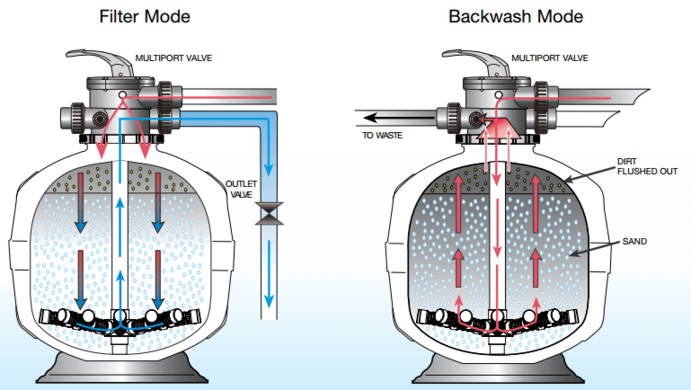
Sand filters typically last between five and seven years before the sand needs to be replaced. Over time, the sand particles become smooth and compacted, which reduces their ability to trap fine debris. When this happens, dirt and particles begin passing straight through the filter and back into the pool, leading to persistent cloudiness even when chemical levels are correct.
Cartridge filters usually last between one and three years. Their lifespan depends heavily on how often they are cleaned and the overall condition of the pool water. Pools that experience frequent heavy use or recurring water balance issues tend to wear cartridges out more quickly. As cartridges age, the pleats flatten, the material becomes brittle, and small tears can develop, all of which reduce their ability to trap debris effectively.
Diatomaceous earth (DE) filters generally last longer, with internal grids often lasting between five and ten years if properly maintained. These filters rely on a fine powder coating to trap very small particles. Over time, the internal grids can become damaged or clogged, which prevents them from holding the DE powder correctly and reduces filtration efficiency.
Signs Your Pool Filter Needs Replacing
Regardless of filter type, there are several warning signs that suggest your filter may be reaching the end of its usable life. One of the most common signs is water that remains cloudy or dull even after chemical levels have been balanced. This usually indicates that the filter is no longer capable of removing fine particles from the water.
Another common indicator is consistently high pressure readings on the filter gauge. While pressure rises naturally as a filter collects debris, a filter that remains at high pressure even after cleaning or backwashing may be clogged internally or have worn-out media. Reduced water flow from return jets is also a sign that the filter is struggling to perform properly.
In some cases, debris may start returning to the pool, or visible damage may be present on cartridges or filter components. These issues signal that replacement is likely required rather than further cleaning.
What Happens If You Don’t Replace Your Pool Filter?
Continuing to use a worn or damaged filter can cause a range of problems. Water quality often deteriorates, becoming cloudy or difficult to balance chemically. This leads to increased chemical use as pool owners attempt to compensate for poor filtration.
At the same time, the pump must work harder to push water through a clogged or ineffective filter. This increases electricity usage and places additional strain on the pump motor and seals, raising the risk of mechanical failure. Over time, what might have been a simple filter replacement can turn into a much more expensive equipment repair.
Poor filtration can also encourage algae growth and bacteria buildup, which may make the pool unsafe for swimming and require intensive corrective treatments.
How Regular Servicing Extends Filter Life
Routine servicing plays an important role in extending the life of a pool filter. Regular cleaning removes trapped debris before it hardens or compacts, helping the filter media retain its ability to capture fine particles. Servicing also allows for early detection of cracks, worn seals, and internal damage that may otherwise go unnoticed.
Professional servicing ensures the filter is operating within the correct pressure range and that water is flowing efficiently through the system. A well-maintained filter experiences less stress and is far more likely to reach the upper end of its expected lifespan.
How Often Should You Check Your Pool Filter?
Pool filters should be monitored regularly to catch issues early. Pressure readings should be checked weekly so any abnormal changes can be identified quickly. Cartridge filters generally require cleaning every few weeks, depending on pool use, while sand and DE filters should be backwashed when pressure rises above normal operating levels.
Seasonal inspections of filter media and internal components are also important, particularly before and after peak swimming seasons. These checks help ensure the filter is still functioning correctly and has not suffered damage over time.
Cleaning Versus Replacing a Pool Filter
Cleaning is usually sufficient when the filter media is still intact, and water clarity improves after servicing. If pressure returns to normal and debris removal improves, the filter can continue to be used safely.
Replacement becomes necessary when the filter media is damaged, worn out, or no longer restores water clarity after cleaning. If flow remains restricted or water remains cloudy despite proper chemical balance and servicing, the filter is no longer performing its job and should be replaced.
Attempting to extend the life of a worn filter often results in higher chemical costs, increased power consumption, and ongoing water quality issues.
When to Call a Pool Professional
A professional inspection is recommended if your pool water remains cloudy despite correct chemical levels, if filter pressure remains high after cleaning, or if you are unsure what type of filter system your pool uses. Older systems that have not been serviced in several years should also be assessed to determine whether the filter media is still effective.
A professional can identify whether cleaning is sufficient or if replacement is required and ensure the correct filter type and size is installed for your pool system.
How often you should replace your pool filter depends on the type of filter and how well it is maintained. Cartridge filters generally need replacement every one to three years, sand filters every five to seven years, and DE filter grids every five to ten years.
Replacing your pool filter at the right time helps keep your water clear, reduces chemical use, protects your pump, and lowers overall running costs. If you are unsure whether your pool filter needs cleaning or replacement, a professional pool assessment can help keep your pool operating efficiently and safely.