
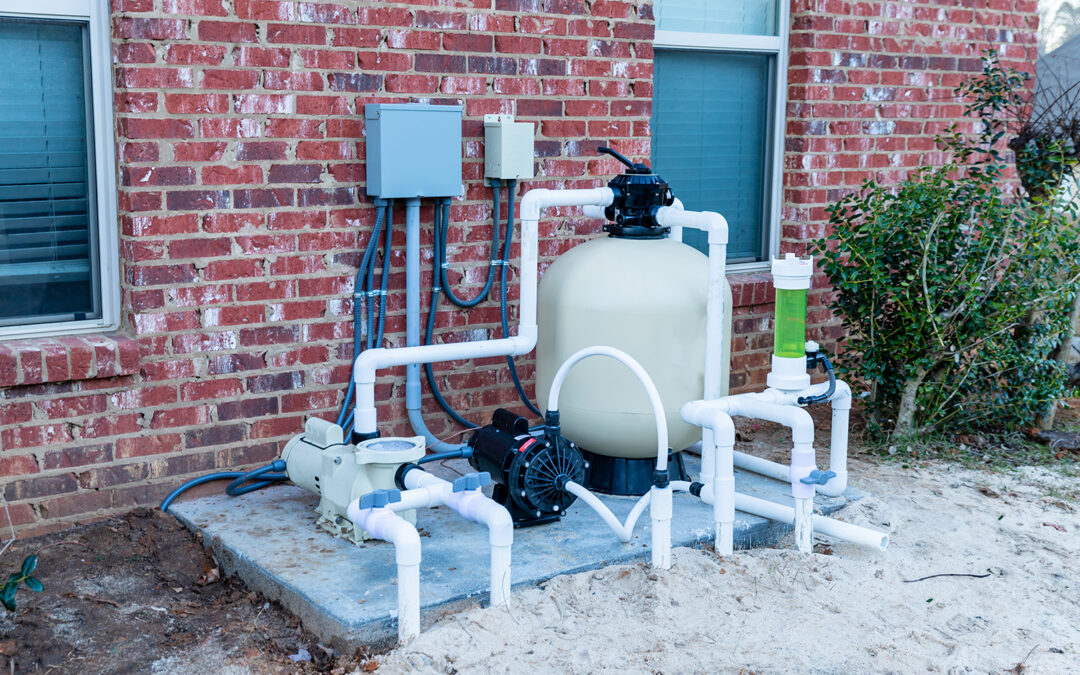
If you own a swimming pool, you’ve probably heard the terms “pool pump” and “pool filter” used together. While they work as part of the same system, they perform very different jobs. Understanding the difference between a pool pump and a pool filter can help you diagnose problems, maintain your pool properly, and avoid unnecessary repair costs.
Both components are essential for keeping pool water clean, clear, and safe to swim in.
What Does a Pool Pump Do?
The pool pump is the heart of the circulation system. Its job is to move water through the pool’s plumbing and equipment. A pool pump:
-
Draws water from the pool through the skimmer and main drain
-
Pushes water through the filter
-
Sends clean water back into the pool
Without a functioning pump, water becomes stagnant, and debris, bacteria, and algae quickly build up. Common signs of pump problems include:
-
Loud or unusual noises
-
Weak water flow from return jets
-
Air bubbles in the system
-
Pump failing to start or cutting out
If the pump is not circulating water effectively, even a clean filter will not be able to do its job.
What Does a Pool Filter Do?
The pool filter removes dirt and fine particles from the water as it passes through the system. A pool filter:
-
Traps debris such as dust, leaves, and dead algae
-
Improves water clarity
-
Reduces the load on pool chemicals
There are three main types of pool filters:
-
Sand filters
-
Cartridge filters
-
Diatomaceous earth (DE) filters
Each type captures debris differently, but all rely on water being pushed through them by the pump. Signs of filter problems include:
-
Cloudy or dirty water
-
High pressure readings
-
Reduced water flow
-
Debris returning to the pool
A dirty or damaged filter cannot clean the water properly, even if the pump is working perfectly.
How the Pool Pump and Filter Work Together
The pump and filter function as a team. The pump moves water from the pool to the filter. The filter removes particles from that water. The clean water is then returned to the pool.
If either part of the system fails:
-
Dirty water stays in the pool
-
Chemicals become less effective
-
Algae and bacteria multiply
-
Equipment is placed under extra strain
A healthy pool requires both good circulation and effective filtration.
Signs Your Pool Pump Is Failing
Pump issues are often mechanical or electrical. Warning signs include:
-
Grinding or screeching noises
-
Overheating or shutting down
-
Loss of prime
-
Leaking around the pump housing
-
Low pressure or weak water return
A failing pump can cause poor filtration even if the filter itself is clean.
Signs Your Pool Filter Needs Attention
Filter issues are usually related to clogging or worn media. Common filter warning signs:
-
Persistent cloudy water
-
Pressure gauge reading higher than normal
-
Water not clearing despite correct chemical balance
-
Visible damage to cartridges or filter internals
If the filter media is old or damaged, replacement may be necessary to restore water clarity.
Which One Has the Bigger Impact on Water Quality?
Both components are equally important, but they affect water quality in different ways. The pump controls:
-
Water movement
-
Circulation
-
Distribution of chemicals
The filter controls:
-
Removal of physical debris
-
Water clarity
-
Fine particle capture
A strong pump with a dirty filter will still produce cloudy water. A clean filter with a weak pump will not receive enough water to clean properly. Balanced performance between the two is essential for clear, healthy pool water.
How Pump and Filter Choice Affects Energy Efficiency
Your pump and filter also influence how much energy your pool uses. Energy efficiency depends on:
-
Pump type (single-speed vs variable-speed)
-
Pump size relative to pool volume
-
Filter size and cleanliness
-
System resistance
A correctly sized pump and clean filter allow water to move with less resistance, reducing electricity usage. Upgrading to energy-efficient equipment and maintaining it properly can significantly lower running costs over time.
Common Misunderstandings
Some pool owners assume cloudy water always means a chemical issue, when in many cases the problem lies with circulation or filtration. Others replace pumps when the real issue is a blocked or worn filter, or replace filters when the pump is not moving water effectively.
Understanding the difference helps avoid unnecessary expense and ensures the correct part of the system is addressed.
When to Service or Replace Pool Equipment
You should consider professional servicing if:
-
Water quality does not improve after chemical adjustment
-
Pressure readings are consistently high or low
-
The equipment is noisy or leaking
-
The flow rate is reduced
-
The system is more than a few years old
Routine inspections can identify worn seals, blocked filters, and failing motors before they cause breakdowns.
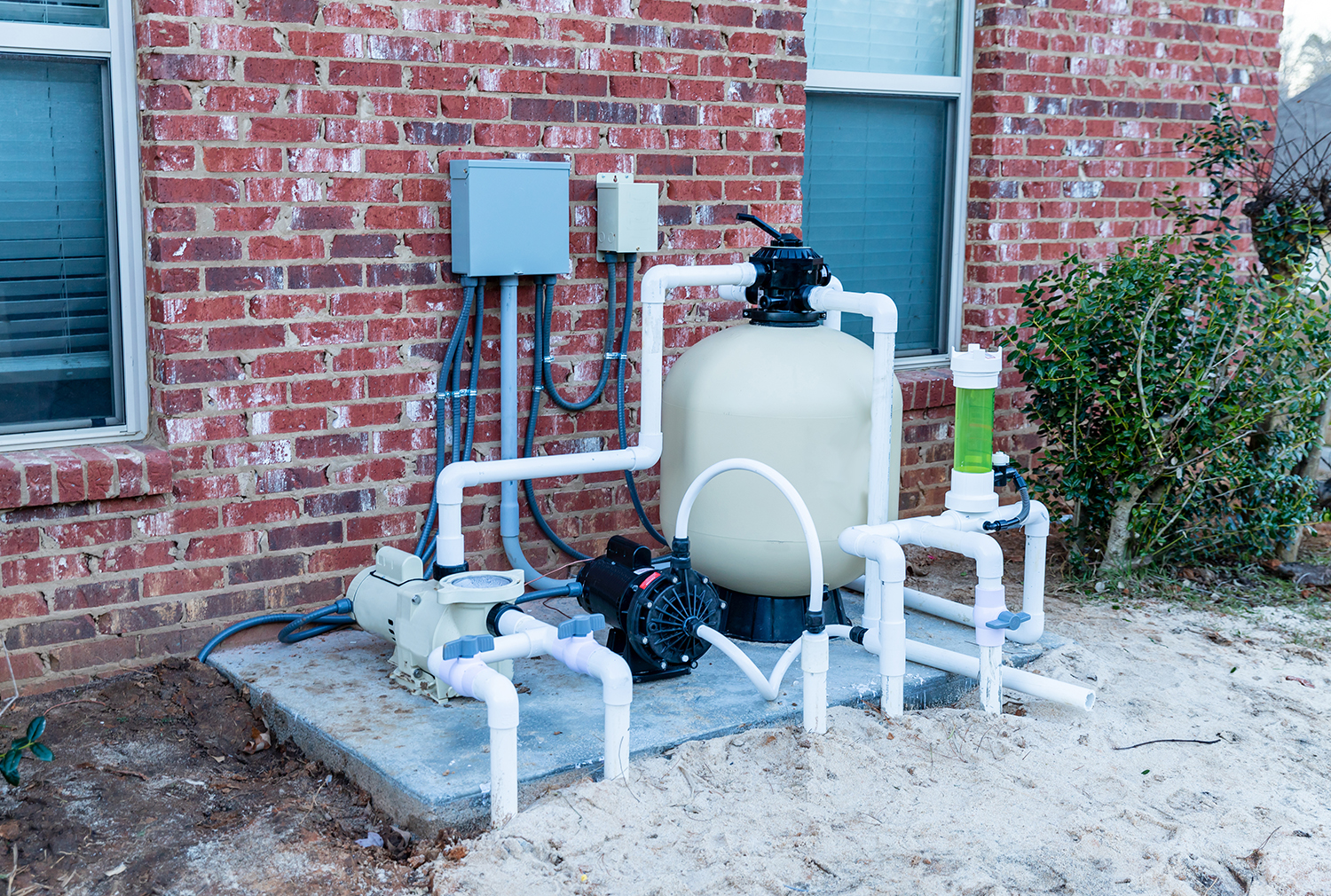
The pool pump and pool filter have different roles but work together to keep your pool clean and safe.
The pump moves the water.
The filter cleans the water.
If either one is not functioning correctly, your pool will suffer in both water quality and efficiency. Understanding the difference between the two helps you recognise problems early, maintain your system properly, and avoid costly repairs.
If your pool water isn’t staying clear or your equipment doesn’t seem to be working as it should, contact us for a professional system check to identify whether the issue lies with the pump, the filter, or both.